Troubleshooting: Why Your Valve Data Plate Is Missing
A missing valve data plate creates uncertainty about pressure ratings and material composition. This guide helps procurement teams verify specs through manufacturer records, serial number checks, and physical inspection while providing practical prevention tips for future projects.
- Verify valve specifications using manufacturer records and serial number checks when the data plate is physically missing
- Document all valve identification details during receiving and installation to prevent future identification gaps
- Maintain a centralized digital library of valve data sheets for quick reference during maintenance and procurement
- Implement verification protocols at receiving to catch missing or damaged data plates before installation
- Work with suppliers to establish clear documentation requirements for all valve deliveries
Why Your Valve Data Plate Is Missing
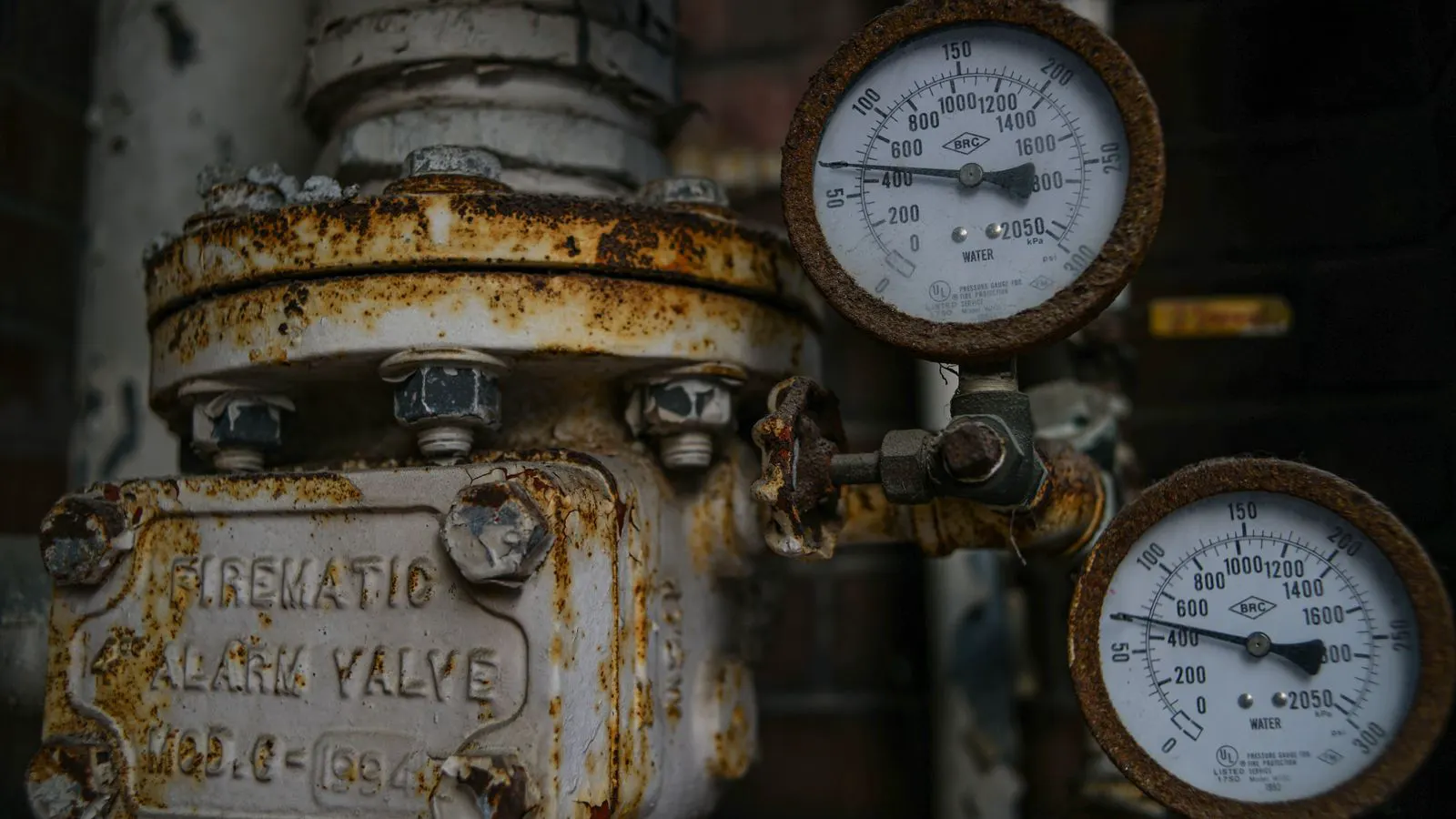
A valve without a data plate creates immediate problems during installation, maintenance, and procurement. The plate typically contains the valve serial number, pressure rating, temperature rating, material specification, and manufacturer name. Without this information, engineers cannot verify whether the valve matches the project specifications or meets safety requirements.
The most common scenarios involve receiving a valve where the data plate has been removed, damaged during shipping, or never attached in the first place. Sometimes the plate is present but illegible due to corrosion, paint damage, or poor manufacturing quality. Each scenario requires a different approach to resolve the identification problem.
Common Symptoms of Missing or Damaged Data Plates
| Symptom | Likely cause | What to do |
|---|---|---|
| Data plate completely absent from valve body | Removal during repurposing, shipping damage, or manufacturing oversight | Check packing list, contact supplier with serial number from body casting if visible |
| Data plate present but illegible | Corrosion, paint damage, abrasion, or poor engraving quality | Use magnification, cleaning agents, or supplier documentation to recover information |
| Data plate partially missing or bent | Physical impact during handling, installation damage, or transport | Document the damage, request replacement plate from manufacturer, verify specs from records |
| Data plate installed on wrong valve | Manufacturing error, assembly mix-up, or incorrect assembly during repurposing | Compare valve body markings with data plate content, contact manufacturer for verification |
| Data plate present but information incomplete | Manufacturing error, incomplete documentation, or specification change during production | Request full specification sheet from manufacturer, verify against project requirements |
When any of these symptoms appear, the immediate priority is to stop work on that valve. Do not assume the valve matches the project specifications until you can verify every critical parameter.
Verifying Valve Specifications Without the Data Plate
The first step when a valve lacks a data plate is to check for any identifying information that may still be present. Look for casting numbers on the valve body, serial numbers stamped into the metal, or any remaining manufacturer markings. These can often be cross-referenced with the manufacturer’s production records to recover the complete specification set.
Contact the supplier or manufacturer directly. Provide them with whatever identifying information you have, including the serial number, valve size, body material appearance, and the project documentation that originally specified the valve. Most manufacturers maintain production records that link serial numbers to complete specification data, including pressure rating, temperature rating, and material composition.
If you cannot reach the original manufacturer, check your internal documentation. Purchase orders, material test certificates, packing lists, and installation drawings may contain the necessary information. Sometimes the data was recorded on the receiving side before the plate was attached or removed.
For valves that arrived in a sealed container or with accompanying documentation, review those materials carefully. Sometimes the data plate information was printed on the packing slip or included in a separate specification sheet that was never attached to the valve body.
Physical Inspection and Measurement Techniques
When documentation is unavailable, physical inspection becomes the primary tool for verification. Measure the valve dimensions carefully. Body size, flange diameter, bolt circle, and connection type can help narrow down the possible specifications.
Examine the valve body material. Different materials show different characteristics when inspected. Cast iron appears dark gray with a rough texture. Ductile iron has a similar appearance but is typically marked with specific designations. Carbon steel shows a lighter gray color with a smoother finish. Stainless steel appears brighter and more uniform in color. Alloy materials may show different surface characteristics depending on the specific composition.
Check the valve stem and packing area. The type of stem material and packing arrangement can provide clues about the pressure rating and service conditions. High-pressure valves often have more substantial stem designs and specialized packing arrangements.
Use a magnet test for ferrous materials. A magnet that sticks strongly indicates iron or low-carbon steel. A weak or no attraction suggests stainless steel or non-ferrous materials. This simple test can help rule out certain material possibilities.
Document every measurement and observation. Create a temporary identification tag with what you know and what you need to verify. This prevents confusion during the verification process and provides a clear record for the manufacturer or supplier.
Contacting Manufacturers and Suppliers for Verification
When you have identified the valve type and can locate any serial or casting numbers, contact the manufacturer’s customer service or technical support team. Most manufacturers have dedicated personnel who handle valve identification requests. Be prepared to provide:
- The serial number or casting number, if visible
- The valve type and size
- A clear photograph of the valve showing any markings
- The project name or reference number
- The original purchase order number, if available
Manufacturers can typically retrieve the complete specification data from their production records. They may also be able to provide a replacement data plate or a printed specification sheet that you can affix to the valve.
If the valve was purchased from a distributor rather than directly from the manufacturer, contact the distributor first. They may have the documentation on file or can escalate the request to the manufacturer on your behalf. Keep a written record of all communications, including dates, names, and reference numbers.
For valves that are no longer produced by the manufacturer, the situation becomes more complex. You may need to work with the manufacturer’s successor company or a third-party specialist who maintains archives of older valve specifications.
Prevention Tips for Future Valve Procurement
Preventing missing or damaged data plates is far simpler than troubleshooting them after the fact. Implement several practices in your procurement and receiving processes to eliminate this problem before it occurs.
Require all valve suppliers to include a data plate on every valve they deliver. Specify this requirement in your purchase orders and supplier agreements. Make it clear that a valve without a data plate is non-conforming and will be rejected or held until the plate is provided.
Implement a receiving inspection protocol that includes data plate verification. Every valve that arrives at your facility should be checked for the presence and legibility of the data plate. Document this check and flag any issues immediately.
Maintain a digital library of valve documentation. Scan and store all data plates, specification sheets, and material test certificates in a searchable database. Link each document to the corresponding valve serial number and project reference. This creates a backup record that you can access even if the physical plate is lost or damaged.
Train your receiving and installation teams on the importance of valve identification. Ensure they understand that the data plate is not just a label but a critical safety and compliance document. Make it part of your standard operating procedures.
Work with your suppliers to establish clear communication protocols. If a data plate is damaged in transit or removed during installation, require immediate notification. This allows you to address the issue while the information is still fresh and the supplier can provide support.
For projects involving multiple valve types or large quantities, consider requiring a master data sheet that lists every valve by serial number with its complete specification. This provides a single reference point for the entire installation and reduces the risk of individual plates being lost or overlooked.
When to Reject or Replace a Valve with Missing Identification
In some cases, a valve with a missing or damaged data plate cannot be safely used. If you cannot verify the pressure rating, material composition, or service suitability, the valve should be removed from service and quarantined. Do not install it in a critical application until you have complete documentation from the manufacturer.
The decision to reject or replace depends on several factors. The criticality of the application, the availability of documentation, and the cost of verification compared to replacement all play a role. For low-risk applications where the valve was recently purchased and the supplier can provide documentation quickly, verification may be sufficient. For high-pressure or safety-critical applications, replacement is often the safer choice.
Document the reason for rejection or replacement. This creates a record for future reference and helps identify whether the problem stems from your receiving process, the supplier, or the manufacturer. If multiple valves from the same supplier arrive with missing data plates, this is a quality issue that needs to be addressed in your supplier evaluation process.
Keep the rejected valve in a controlled area with a clear label indicating that it has not been verified for service. Do not dispose of it until you have made a final decision or the manufacturer has confirmed its status.
Frequently asked questions
Can I use a valve with a missing data plate if I know the original specification from the purchase order?
Yes, but only if you can verify that the specification matches the actual valve through manufacturer records or physical inspection. The purchase order specifies what was ordered, not necessarily what was shipped. Always confirm with the manufacturer when possible.
What if the valve was purchased many years ago and the manufacturer no longer has records?
In this case, you may need to rely on physical inspection and any remaining documentation. If the application is critical, replacement may be the safest option. Work with a specialist who maintains archives of older valve specifications if direct manufacturer support is unavailable.
Can I engrave a new data plate onto the valve myself?
You can create a temporary identification tag, but you should not engrave a new data plate without manufacturer authorization. Only the manufacturer or their authorized representative can confirm the complete specification data. Unauthorized engraving could create a false sense of security and may violate warranty or compliance requirements.
What information should be on a proper valve data plate?
A complete data plate typically includes the manufacturer name, valve type and size, serial number, pressure rating, temperature rating, body material, and connection type. Some plates also include the design standard and test pressure. The specific information may vary by manufacturer and application.
How do I verify that a replacement data plate from the manufacturer is accurate?
Compare the information on the new plate with your project documentation, material test certificates, and any physical measurements you have taken. If anything does not match, contact the manufacturer immediately. Do not install the valve until all information is confirmed and consistent.