Buyers Guide: Selecting a Valve Distributor for Critical Lines
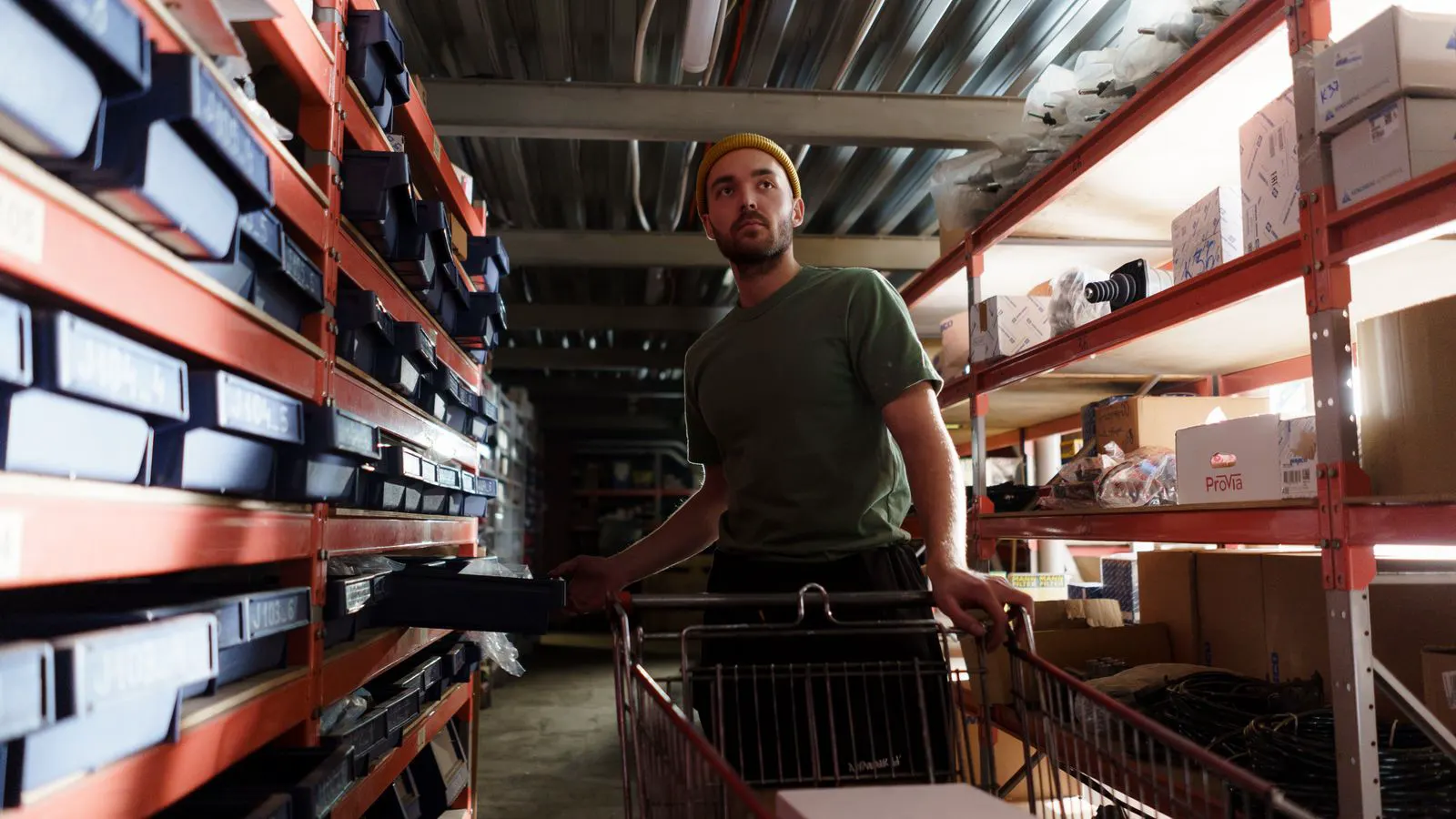
A reliable valve distributor must combine technical depth with supply chain stability. This guide breaks down the criteria to evaluate a supplier for critical lines, focusing on inventory, support, and documentation to reduce risk.
- Verify the distributor's technical support capability, not just their catalog.
- Check their stock levels and lead time commitments against your project timeline.
- Demand clear documentation and material traceability for critical line applications.
- Test their responsiveness with a small trial order before committing to a large contract.
- Review their quality control processes and recall history for the specific valve type.
Why the Distributor Matters More Than the Manufacturer
For most industrial buyers, the valve manufacturer provides the design, but the distributor controls the reality of the project. They manage the stock, the lead times, and the technical hand-holding. A manufacturer can design a perfect gate valve, but if the distributor cannot source the correct trim package or respond to a field failure, the design does not matter.
Critical lines in oil and gas, chemical processing, or power generation expose buyers to high failure costs. A stuck actuator or a leaking seat can shut down a plant for days. The distributor you choose becomes a partner in risk management. They must understand the application deeply enough to flag a potential issue before it reaches the field. They also need the logistics capability to get the right part to the site when the maintenance window opens.
This section of the guide focuses on evaluating that partner. It separates the marketing claims from the operational reality. The goal is to identify a supplier who can handle the technical weight of the order while maintaining the speed and reliability required by the plant.
Technical Depth and Application Support
A general industrial supply house can ship a standard ball valve. They may not be able to explain why that valve will fail in a specific chemical environment. For critical lines, you need a supplier with engineering staff who can review your process data.
Start by asking for a technical review of your application. Do not just send a part number. Provide the fluid, temperature, pressure, and cycle frequency. See how they respond. Do they ask about the specific trim material? Do they check for the correct seal material for the chemical? Do they understand the difference between a lugs bolted connection and a welded connection for your specific flange size?
Also, evaluate their documentation. They should provide not just a packing list, but a material test report and a certification of compliance. For critical lines, you need to know exactly what alloy was used in the body and what seal compound is in the seat. Ask if they can trace the batch number of the seal material. If they cannot, they are not a supplier for critical lines. They are just a reseller.
Inventory Position and Lead Time Reality
The most common failure point in procurement is the assumption that a part is in stock. It is often not. Or it is in stock at a distant warehouse, which changes the lead time significantly.
Ask the distributor for a real-time inventory view. If they use a static catalog, be skeptical. Do they have a local stock of your specific size and class? If not, what is the manufacturer lead time? Do they have a secondary source if the primary manufacturer is delayed?
For critical lines, lead time certainty is as valuable as the part itself. A valve that arrives three weeks late can miss a shutdown window. Ask them to provide a firm delivery date, not a range. Ask what their policy is if that date is missed. Do they offer penalty credits? Do they expedite air freight at their cost? The answer to these questions reveals how much they value the relationship.
A supplier with high inventory turnover and local stock offers a buffer against supply chain shocks. A supplier who only works on a made-to-order basis with long manufacturing cycles is a risk for any time-sensitive project.
Supply Chain Resilience and Sourcing Transparency
Global supply chains are complex. A distributor’s ability to navigate that complexity is a key performance indicator.
Ask where they source their core inventory. Do they buy from a single manufacturer, or do they have multiple sources for the same part? Having multiple sources for critical items, like a specific seat material or actuator type, provides use and continuity. If one source goes out of business or has a quality issue, a multi-source distributor can keep your project moving.
Also, ask about their quality control processes. Do they inspect incoming goods? Do they have a hold point for critical items? For high-stakes orders, you need to know that the part you receive matches the specification. Ask if they have a history of recalls or field failures with their top suppliers. If they do, ask how they managed the recall. Did they notify customers proactively? Did they offer free replacements?
A transparent distributor will share their quality data. A vague one will just promise compliance. Look for the details.
Service Model and Field Support
The sale does not end when the valve arrives. In fact, for critical lines, the most valuable support often happens after installation.
Evaluate their service model. Do they have a dedicated service engineer? Or do they route calls to a general technical support line? For a critical line, you need a direct line to someone who understands your specific application.
Ask about their response time for technical queries. Do they answer within a few hours or a few days? For a troubleshooting scenario, this difference can be the gap between a minor fix and a full shutdown.
Also, consider their field support capabilities. If the valve fails in the field, do they have a local team that can come to the site? Do they have a network of service partners? Can they provide a spare seal kit or an actuator replacement quickly? A supplier who only sells parts is of limited value. A supplier who supports the asset lifecycle is a partner.
Financial Stability and Contract Terms
A distributor must be financially stable to serve you long-term. If they go bankrupt, your inventory and service agreements vanish.
Review their financial standing. Look for years in business and a track record of serving your industry. Ask for references from similar projects. Call them. Ask what happened when the supplier had a problem. The answer will tell you more than any brochure.
Also, review the contract terms. Look for clarity on pricing, lead times, and service levels. Avoid vague language. Do they have a penalty for late delivery? Do they have a clear return policy for defective goods? Do they offer net payment terms that align with your procurement cycle?
A fair contract protects both parties. It sets expectations and provides remedies when things go wrong.
Evaluation Criteria Table
The table below summarizes the key areas to assess when vetting a potential valve supplier.
| Criterion | What to look for | Why it matters |
|---|---|---|
| Technical Support | Engineering staff who review process data and recommend the correct trim and seal materials. | Prevents specification errors that lead to premature failure or leaks. |
| Inventory & Lead Time | Real-time stock visibility and firm delivery dates, not just estimates. | Ensures the valve arrives when the maintenance window opens. |
| Sourcing Transparency | Multiple sources for critical items and clear quality control inspection processes. | Mitigates supply chain risk and ensures the part meets the exact spec. |
| Field Service | Local service engineers and a fast response time for technical queries. | Reduces downtime during failures and simplifies troubleshooting. |
| Financial Stability | Long-standing business and clear contract terms with penalty clauses for delays. | Guarantees the supplier will be around to support the asset over its life. |
Decision Checklist
Use this checklist before signing a long-term agreement or placing a large order.
- Technical Review: Have they reviewed your process data and confirmed the material compatibility?
- Stock Check: Is the specific part in local stock, and what is the confirmed delivery date?
- Documentation: Can they provide material test reports and traceability for the seal and trim?
- Support Model: Do they have a dedicated technical contact and a clear response time for field issues?
- Contract Terms: Are the penalty clauses for late delivery and the return policy for defective goods clearly defined?
- References: Have you spoken to at least two other customers who use them for similar critical lines?
If the supplier cannot answer these questions with specific details, continue your search. A reliable valve distributor will welcome this scrutiny. They view it as a way to prove their capability.
Frequently asked questions
How do I know if a distributor has the right technical expertise?
Ask them to review your specific application data, including fluid chemistry, temperature, and pressure. If they only ask for a part number and do not probe the application, their technical depth is likely limited.
What is the biggest mistake buyers make when choosing a supplier?
Assuming that "in stock" means in local stock. Many distributors have parts in a distant warehouse or at a manufacturer's facility, which drastically changes the lead time. Always verify the delivery date.
Do I need a supplier for every valve I buy?
No. For standard, low-risk applications, a general industrial supply house may be sufficient. However, for critical lines where failure is costly, you need a specialized supplier with deep technical support and reliable service.
How should I handle a supplier who is late with a critical delivery?
Have a penalty clause in your contract. If they do not have one, escalate immediately to their account manager and ask for an expedited solution, such as air freight at their cost.
Can I switch suppliers mid-project?
It is possible but risky. Switching suppliers mid-project can lead to compatibility issues with existing infrastructure. If you must switch, ensure the new supplier can verify the compatibility of the new parts with your current system.