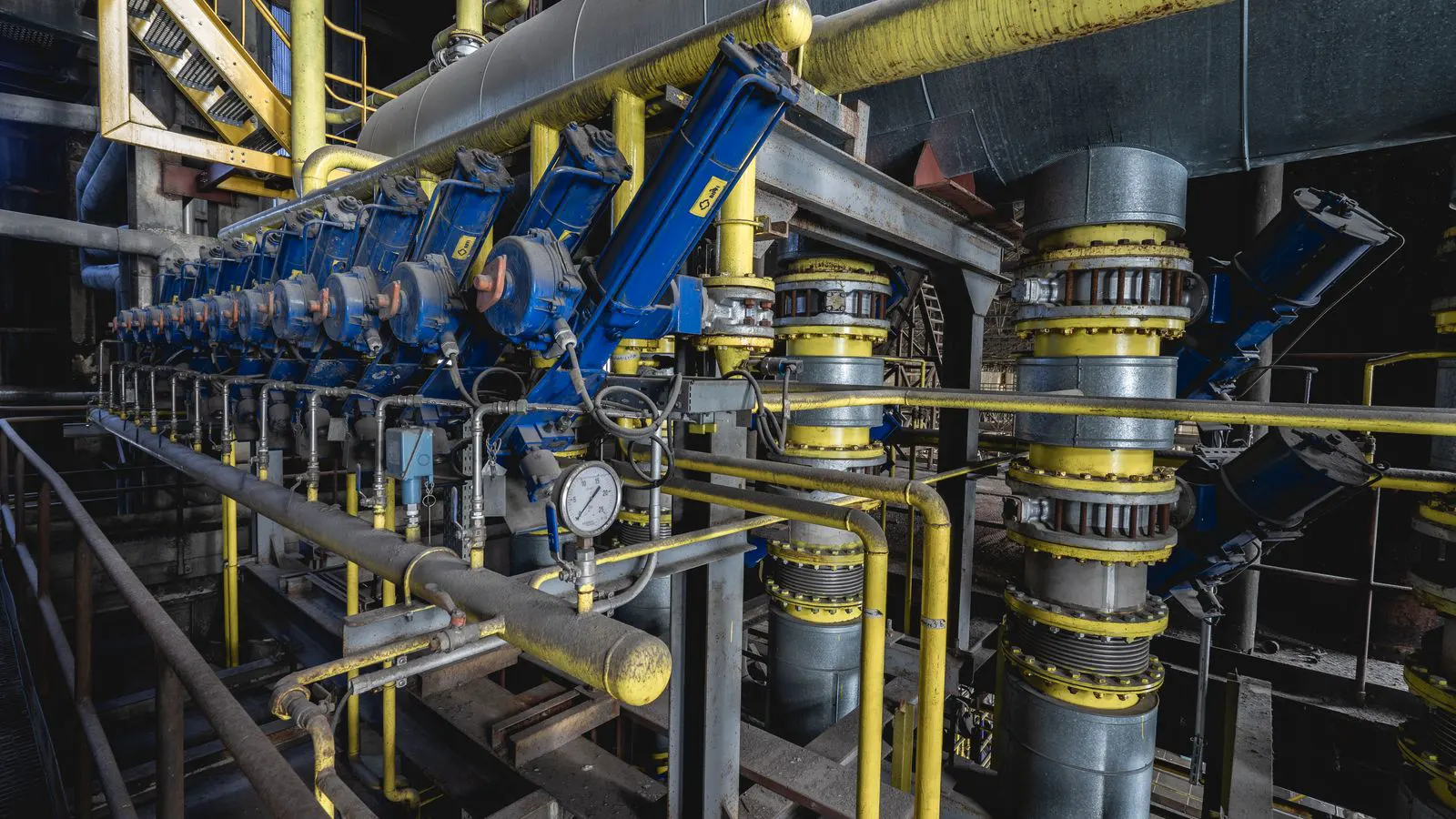
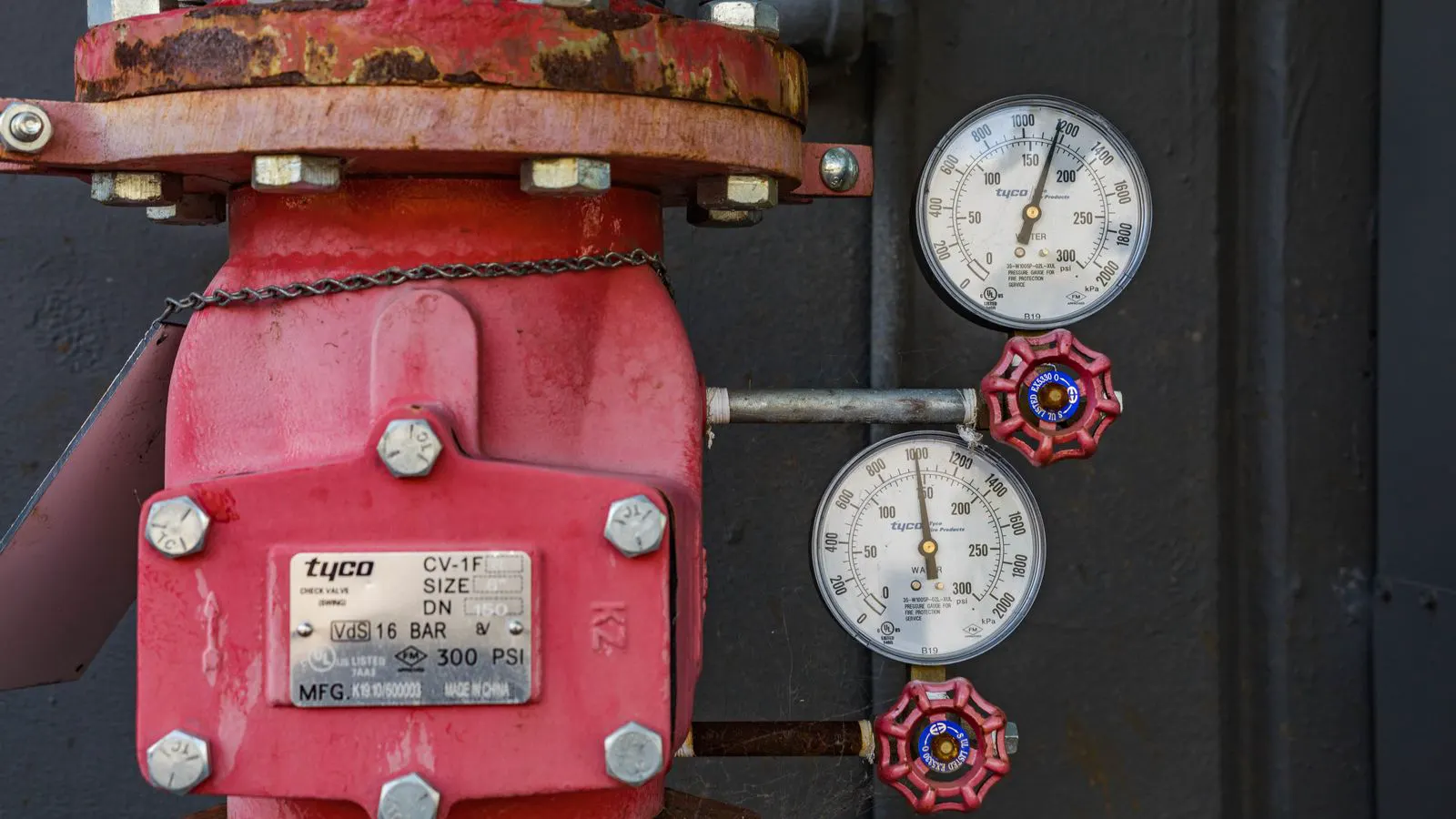
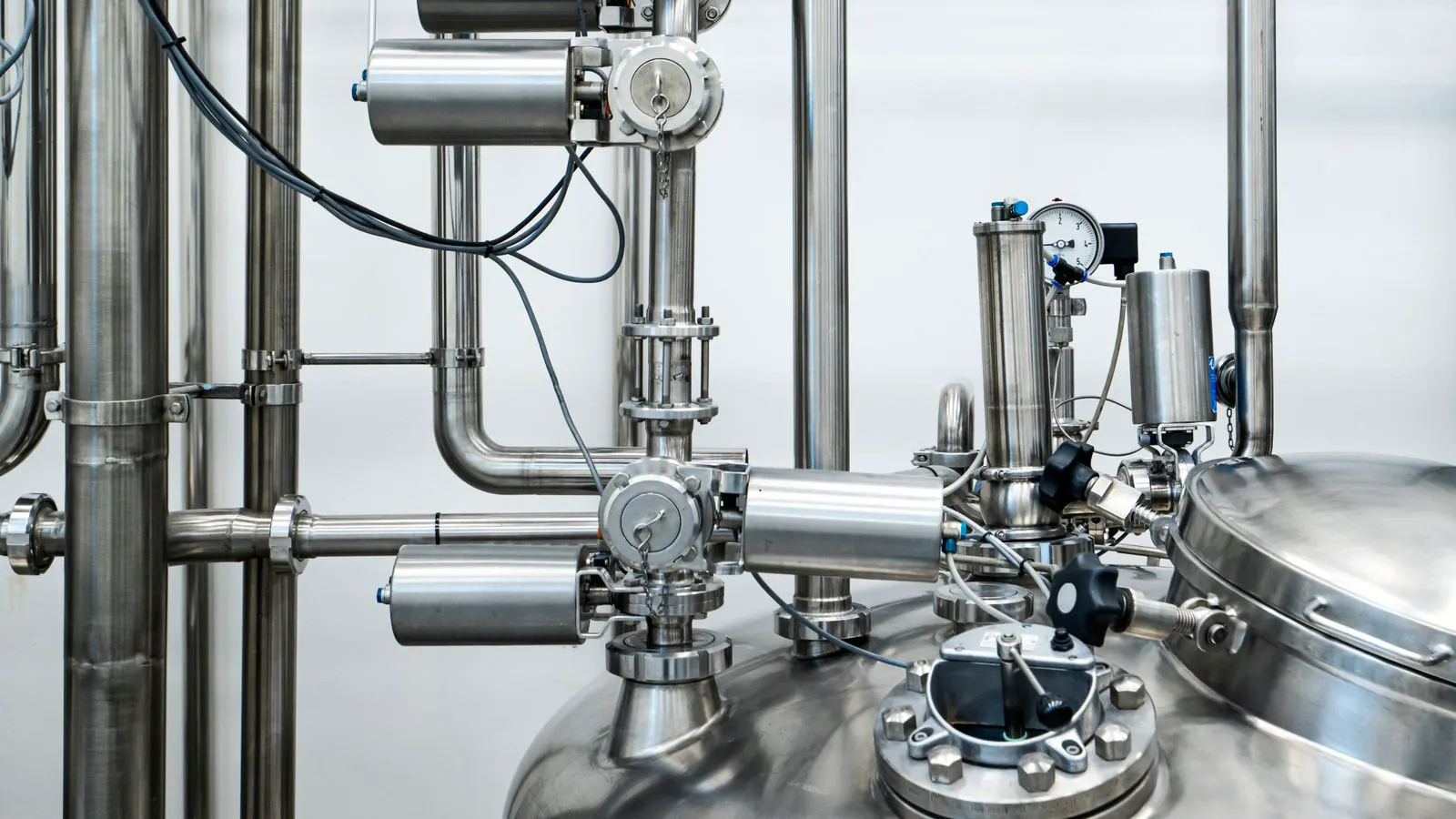
Comparison: Butterfly Valves for Flow Control vs Check Valves
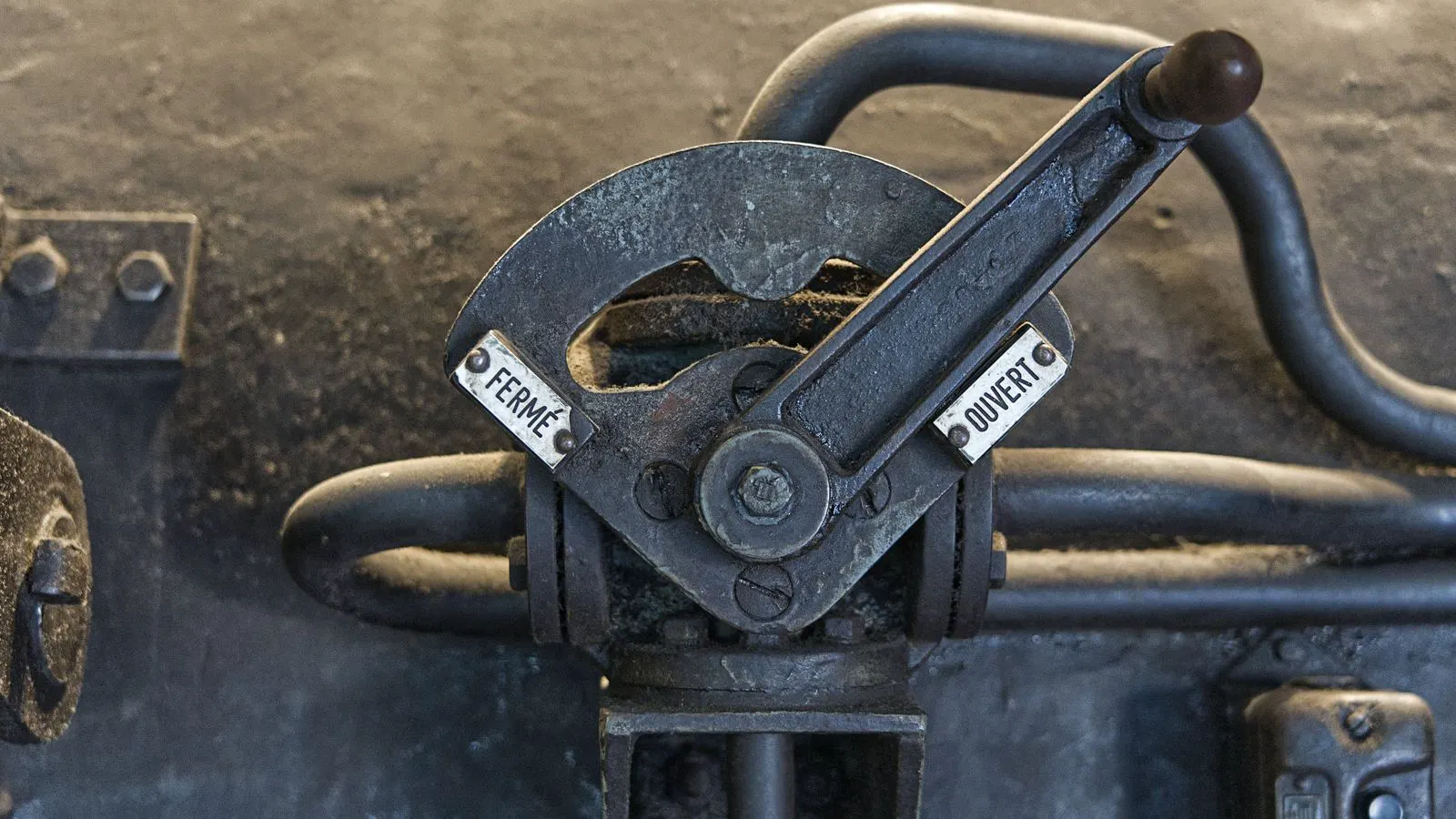
Butterfly valves throttle flow by rotating a disc, while check valves open in one direction and close to stop backflow. Use the butterfly for regulation and the check valve for protection.
- Butterfly valves regulate flow rate and pressure drop, but they are not designed to prevent reverse movement.
- Check valves allow flow in one direction and close when flow reverses, protecting pumps and equipment.
- Use a butterfly valve when you need throttling or isolation and a check valve when you need automatic backflow protection.
- Combining both valves in a single service line is common when regulation and protection are required.
- Selection depends on media, temperature, pressure rating, actuation method, and maintenance access.
What Each Valve Actually Does in the Line
A butterfly valve controls the amount of fluid moving through a pipe. The operator or actuator rotates a disc set in the body. As the disc turns, the opening changes. The valve can pass full flow or throttle to a small percentage. It works in both directions for flow, but it does not stop fluid from moving backward once it is open.
A check valve does the opposite. It allows flow in one direction. When fluid tries to move backward, the check element lifts away from the seat or swings closed. The valve blocks reverse flow. It does not throttle the forward flow. It simply opens and closes.
This is the core difference. One valve manages quantity. The other manages direction.
How Flow Control Works in a Butterfly Valve
A butterfly valve is one of the most common control valves in industrial service. It sits in the pipe and changes the flow path. The disc is usually made of stainless steel, carbon steel, or alloy, depending on the service. The body is often ductile iron or stainless steel for general process work.
When the disc is fully open, the flow area is close to the pipe bore. Pressure drop is low. When the disc is partially open, the flow area shrinks. The operator can hold the valve at a set position to control flow rate.
Throttling creates heat and erosion. At low opening positions, the flow velocity across the disc can be high. Prolonged operation in a partially closed state can wear the seat and disc edge. For this reason, many designs are rated for full open and full closed use, or they are specified with a minimum opening for control service.
Actuation can be manual, pneumatic, hydraulic, or electric. A manual lever gives quick access. A pneumatic actuator gives fast response. An electric actuator gives precise position control and can integrate with a control system.
How a Check Valve Prevents Backflow
A check valve is a one-way device. It opens when forward pressure pushes the element against the seat. It closes when forward pressure drops or when reverse pressure builds. The element can be a flapper, a swing disc, or a lift ball, depending on the design.
Swing check valves use a hinged disc. The disc swings open with flow and swings shut when flow reverses. Lift check valves use a disc that lifts up against a spring or against the flow itself. Flapper check valves use a flexible element that folds open with flow and seals when reverse pressure arrives.
The valve body is typically cast iron, ductile iron, bronze, or stainless steel. The seat and element must resist erosion and seal under reverse pressure. In some services, the valve may need to handle suspended solids, slurry, or high temperature.
A check valve does not control flow rate. It does not throttle. It protects the system from reverse movement. If a pump runs dry or a downstream pressure drop causes reverse flow, the check valve closes.
Comparison Table for Selection
| Option | Best for | Limitations |
| Butterfly valve | Flow regulation, throttling, isolation, large pipe sizes | Not a backflow protection device; throttling wear; needs actuation for control |
| Swing check valve | General backflow prevention, low cost, easy maintenance | Swing action adds pressure drop; may chatter at low flow; not for throttling |
| Lift check valve | Clean fluids, low pressure drop, compact installations | Sensitive to suspended solids; may stick; not for slurry service |
| Flapper check valve | Low pressure, gravity flow, large bore lines | Higher pressure drop; can trap debris; limited temperature range |
| Ball check valve | Small bore, high pressure, compact space | Limited to small sizes; can be difficult to inspect; not for high solids |
When to Pick a Butterfly Valve for Flow Control
Choose a butterfly valve when the service requires adjusting flow rate, isolating a line, or balancing pressure. It is common in water distribution, chemical processing, power plant auxiliary systems, and general industrial piping.
Use it when the pipe size is large. Butterfly valves are compact for large bore applications. A gate valve would take much more space in a large pipe. A butterfly valve fits into a smaller body with a larger effective bore.
Use it when actuation is needed. A pneumatic or electric actuator can hold the disc at a specific position. This allows the valve to work as a control valve in a process loop.
Do not use it as a check valve. If reverse flow is a concern, add a check valve downstream. A butterfly valve left open or partially open will allow reverse movement.
When to Pick a Check Valve for Backflow Protection
Choose a check valve when the goal is to stop fluid from moving backward. This is common after pumps, in sump lines, in gravity-fed systems, and in any service where reverse flow could damage equipment or cause contamination.
Use it when the system has a pump. If the pump stops, the column of fluid can fall back. The check valve closes and prevents the pump from turning in reverse.
Use it when the downstream pressure can exceed the upstream pressure. In a sump or tank system, the liquid level can create pressure that pushes fluid back. The check valve blocks that movement.
Do not use it for flow control. A check valve is not a throttle. It opens and closes. If you need to adjust flow, add a butterfly valve or another control valve upstream.
Practical Selection Checks
Before selecting either valve, confirm the service conditions.
- Identify the fluid and its condition. Clean water, steam, oil, slurry, or chemical service changes material choice and design.
- Check the flow direction and whether reverse flow is possible. If reverse flow is possible, a check valve is required.
- Determine the flow rate and pressure rating. The valve body and seat must match the line pressure and the maximum flow.
- Review space and maintenance access. A butterfly valve is compact. A swing check valve needs room for the disc to move.
- Decide on actuation. A butterfly valve for control needs an actuator. A check valve is passive and needs no power.
- Consider temperature and pressure. High temperature can affect seals and materials. High pressure changes the size and design of the valve.
- Confirm the installation orientation. Check valves are directional. Install them with flow arrows pointing in the correct direction.
Common Mistakes in the Field
Engineers often install a butterfly valve where a check valve is needed. The result is reverse flow when the system is isolated. The line was not protected.
Operators often run a butterfly valve at a small opening for long periods. The seat and disc wear. The valve leaks at full open. The repair cost rises.
Installers mount a swing check valve upside down. The disc cannot swing freely. The valve sticks or does not close properly.
Maintenance crews forget to add a check valve after a pump replacement. The pump now has no protection against backflow.
Final Guidance
A butterfly valve manages flow. It changes the opening to control how much fluid passes. It is a control and isolation device.
A check valve manages direction. It opens with flow and closes against reverse flow. It is a protection device.
Use the butterfly valve when you need to regulate or isolate. Use the check valve when you need to prevent backflow. In many systems, both are used together. The butterfly valve controls the flow. The check valve protects the line.
Frequently asked questions
Can a butterfly valve stop backflow if it is closed?
A closed butterfly valve blocks flow in both directions. It acts as an isolation device, not a check valve. If it is open or partially open, reverse flow can occur.
Can a check valve be used for flow control?
No. A check valve is a one-way protection device. It opens and closes based on flow direction. It does not throttle or regulate flow rate.
Which valve is smaller for large pipe sizes?
A butterfly valve is usually more compact for large bore lines. A gate valve or a swing check valve takes more space in the same pipe diameter.
Do I need both valves in the same line?
Yes, if the line requires both regulation and backflow protection. Use a butterfly valve for flow control and a check valve for reverse flow prevention.
How do I know which valve to install?
Check the process requirement. If the goal is to adjust flow, use a butterfly valve. If the goal is to stop reverse flow, use a check valve. Review the flow direction and system pressure.